
Documenting the UK’s Gambling Culture Through a Photographic Lens
Beyond the glitz of the roulette wheel, a complex social landscape unfolds, captured by documentary photographers probing the heart of British gambling. This visual exploration goes beyond mere spectacle, delving into the nuanced interplay of wealth, risk, and human behaviour that defines the UK’s unique relationship with games of chance. From the hushed, opulent halls of Mayfair to the fluorescent glow of high-street bookmakers, photography serves as a critical lens on a pervasive yet often misunderstood aspect of contemporary life.
The Allure and Illusion of the Casino Floor
Documenting the theatrical environment of UK casinos like The Ritz Club or The Hippodrome focuses on lighting, architecture, and the performative nature of patrons. These spaces are designed as stages for a high-stakes drama, where every element conspires to create an atmosphere of exclusive excitement.
The Mayfair Casino Aesthetic
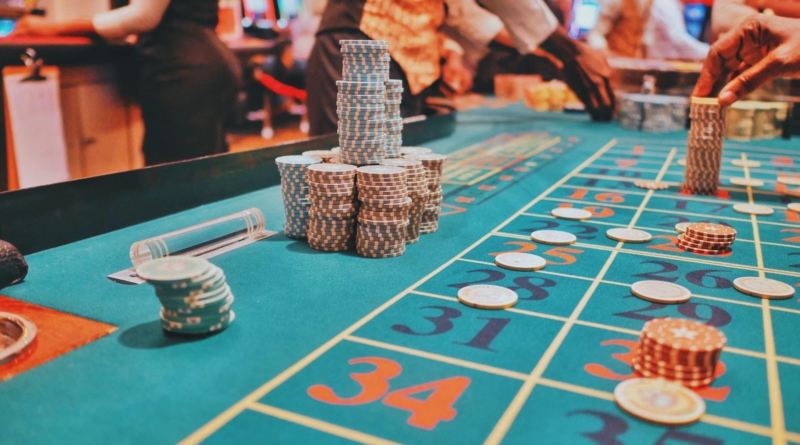
Mayfair’s exclusive gaming rooms, such as those in The Ritz Club or the casinos dotted around St. James’s, London, present a world of curated sophistication. Photographers here are drawn to the architecture of aspiration: crystal chandeliers reflecting on polished mahogany, plush velvet ropes, and meticulously arranged tables that resemble stages. The lighting is deliberately subdued, casting a golden hue that glamorises the scene and obscures the passage of time, crafting an illusion of a separate, rarefied reality.
Portraits of Play: Faces at the Tables
Within this designed environment, the human element becomes paramount. Candid portraits captured at the blackjack or baccarat tables reveal a spectrum of emotion: the intense concentration of a regular, the exhilaration of a novice on a winning streak, or the studied nonchalance of the high roller. At venues like The Hippodrome Casino in Leicester Square, these faces tell stories of risk and reward, often masking deeper narratives with a poker face, embodying the performative ritual of play.
Beyond the Velvet Rope: High-Streets and Betting Shops
Contrasting luxury venues with the everyday reality of high-street bookmakers like William Hill or Ladbrokes examines their role in local communities. This is the other, more ubiquitous pillar of British gambling culture, rooted in the fabric of everyday life rather than aspirational leisure.
The Ubiquity of the Betting Shop
In stark contrast to the secluded glamour of Mayfair, the betting shop is a fixture of the British high street. Chains like William Hill offer a democratised, accessible form of gambling, rooted in sports betting rather than table games. Documentary photography in these spaces often highlights their functional, sometimes stark interiors: rows of digital screens displaying odds, worn carpeting, and the constant murmur of racing commentaries. Their omnipresence normalises gambling as a routine commercial activity.
A Different Kind of Crowd
The clientele here is diverse, reflecting a cross-section of society not defined by wealth. Photographers observe individuals studying racing forms, groups debating football scores, or solitary figures lost in the flicker of virtual greyhound races. The social dynamic is less about performance and more about routine and knowledge, offering a grittier, more communal counterpoint to the isolated intensity of the casino floor.
The Photographer as Observer: Ethics and Access
Discussing the challenges of gaining access to private spaces and the ethical responsibility of portraying addiction and financial distress neutrally is central to this genre. The photographer must navigate a minefield of privacy and representation to achieve truthful documentation.
Navigating Consent in Private Spaces
Gaining entry to the private worlds of high-end casinos or the intimate moments within a betting shop is a significant hurdle. Establishments guard their patrons’ privacy fiercely, requiring photographers to negotiate access through extensive projects or editorial commissions. The ethical photographer must balance the need for candid documentation with respect for individuals, ensuring informed consent and avoiding exploitation, especially in spaces where vulnerability may be high.
Balancing Glamour with Grit
The ethical core of this genre lies in its refusal to romanticise or demonise. A compelling documentary series must acknowledge the thrill and allure that draws people in, while also not shying away from the potential for addiction and financial ruin. This balance is crucial; photographs must allow viewers to see the full spectrum, from the glittering champagne flutes in Mayfair to the anxious tension in a high-street shop, presenting a nuanced portrait for reflection.
Icons of the Genre: Photographers Shaping the Narrative
Highlighting influential photographers like Mark Neville, whose project ‘The Port’ touched on gambling, or contemporary work featured in the British Journal of Photography reveals the evolving visual language of this niche. These artists provide the frameworks through which we understand the culture.
Historical Documentarians
While a dedicated canon of ‘gambling photographers’ is niche, many renowned documentarians have turned their lens to this subject. Figures like Tony Ray-Jones captured the social rituals of Britain, including betting scenes at racecourses and fairs, with a humorous yet sharp eye, establishing a baseline of gambling as ingrained social leisure long before the digital age.
Contemporary Visual Storytellers
Today, photographers continue to explore this theme with fresh perspectives. Their work is often showcased in prestigious platforms like the British Journal of Photography, which regularly features visual essays examining subcultures and social issues. Key contemporary approaches include:
- Social Documentary: Artists like Mark Neville, in his multifaceted project ‘The Port’, included segments on the gambling industries affecting communities, using photography to bridge art and social advocacy.
- Architectural Focus: Some photographers examine the physical spaces of gambling, from the neo-classical façades of St. James’s clubs to the modular design of modern betting shops, commenting on the environment’s influence.
- Portraiture Series: Intensive portrait projects that build trust with regular patrons, capturing the human stories behind the statistics, often exhibited in galleries to foster public dialogue.
Cultural Context: Gambling in the British Social Fabric
Linking imagery to UK-specific phenomena like the National Lottery, football betting pools, and the historical gentlemens’ clubs of St. James’s grounds the photography in a distinctly British narrative. The images are artefacts of a deep-seated cultural habit.
From Working Men’s Clubs to Online Betting
The imagery of gambling in Britain cannot be separated from its deep cultural roots. Photographs echo a history that includes the football pools of the 20th century, the genteel wagers in the smoking rooms of St. James’s, and the modern paradox of solitary online betting. This visual evolution traces the journey from a communal, physical activity to a often private, digital transaction, yet one spiritually connected to the same enduring impulses.
A National Pastime?
Is gambling a national pastime? The visual record suggests its embeddedness. The launch of The National Lottery in 1994 created a new, weekly ritual for millions, its brand imagery of gleaming balls and jackpot dreams seared into the public consciousness. Documentary photography that captures queues for lottery tickets in newsagents frames it as a normalized, almost mundane, aspect of British life, a varied and accepted thread in the national fabric with all its contradictions.
Ultimately, the documentary photography of British gambling culture serves as a crucial, enduring record of a multifaceted and evolving national characteristic. It freezes moments of high drama and quiet desperation, of communal ritual and isolated habit, against backdrops of both opulence and austerity. By doing so, it moves beyond cliché to provide a nuanced visual archive. This body of work challenges viewers to look more closely at a world often hidden in plain sight, ensuring that the true stakes of the game—social, financial, and human—are never entirely left to chance.